Play Pin Font for Business
As a small business owner, every detail of your brand matters. From the colors you choose to the fonts you use, consistency is key to building trust and recognition. Play Pin is a decorative font that brings personality and style to your brand materials without sacrificing clarity or professionalism. Whether you're designing a logo, crafting social media graphics, or creating packaging, Play Pin offers a unique visual identity that stands out while maintaining a clean and approachable feel.
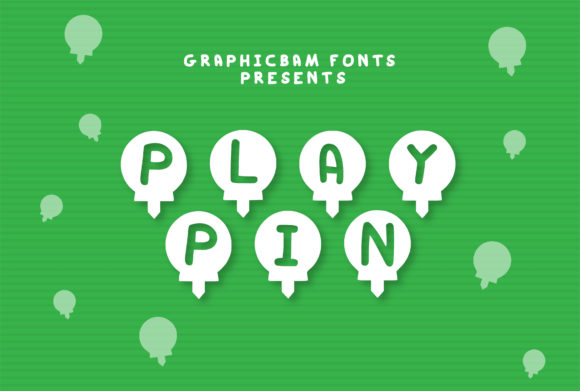
Play Pin has a modern yet playful aesthetic, making it ideal for businesses that want to convey creativity without appearing too informal. Its bold strokes and slightly rounded edges give it a friendly, approachable vibe, perfect for brands targeting younger audiences or those in the creative industries. At the same time, its structured design ensures it remains legible and professional across different applications.
Using Play Pin in Branding Materials
One of the most effective ways to use Play Pin is as a headline or logo font. Its distinctive shape makes it ideal for eye-catching headlines on business cards, website banners, and social media posts. For example, a bakery might use Play Pin for its logo to create a warm, inviting feel that complements its products. Similarly, a handmade candle brand could use it on labels to add a touch of elegance and uniqueness.
Play Pin also works well as an accent font in combination with more traditional typefaces. Pairing it with a clean sans serif font like Arial or Helvetica can balance its decorative nature while keeping your designs from becoming overwhelming. This pairing is especially useful for product labels, menus, and digital ads where clarity is important but visual interest is still needed.
Play Pin in Digital and Print Design
When it comes to digital design, Play Pin shines in social media graphics, Instagram posts, and Pinterest boards. Its bold style makes it stand out in thumbnails, helping your content catch attention in crowded feeds. For online shops, using Play Pin on product titles or promotional banners can make your listings more engaging and memorable.
In print, Play Pin performs well on packaging, stickers, and flyers. Its readability at smaller sizes makes it suitable for labels, while its visual appeal adds value to printed materials like thank-you cards or event invitations. A café owner, for instance, might use Play Pin on menu headers to create a cohesive look that matches their overall branding.
Choosing the Right Applications for Play Pin
Play Pin is best suited for display purposes rather than body text. It’s not recommended for long paragraphs or detailed information due to its decorative nature. Instead, use it for headlines, logos, and short phrases that need to grab attention. This approach keeps your brand messaging clear while allowing Play Pin to shine where it matters most.
For businesses looking to build a strong visual identity, Play Pin can be part of a broader font strategy. Consider using it for key brand elements like taglines or special promotions, while relying on more neutral fonts for everyday communication. This balance ensures your brand feels both creative and professional.
Testing Play Pin Before Full Implementation
Before committing to Play Pin for your entire brand, test it in different contexts. Create mockups of your logo, business card, and social media post to see how it looks in real-world scenarios. Pay attention to how it appears on mobile screens, printed materials, and in various color schemes. This step helps ensure that Play Pin aligns with your brand’s tone and goals.
It’s also a good idea to ask for feedback from colleagues or customers. Their perspectives can reveal how the font is perceived in practice, helping you make an informed decision about its suitability for your business.
Font Pairing Tips for Play Pin
Pairing Play Pin with other fonts can enhance its impact while maintaining readability. A common approach is to pair it with a simple sans serif font for contrast. This combination works well for websites, email newsletters, and marketing materials where clarity is essential. Alternatively, pairing it with a serif font like Georgia or Times New Roman can add a classic, sophisticated touch to your designs.
When choosing a complementary font, consider the personality of your brand. A tech startup might prefer a modern sans serif, while a boutique or artisanal business could benefit from a more traditional serif. The goal is to create a visual hierarchy that guides the viewer’s attention while keeping your brand consistent.
Commercial Licensing and Practical Use
Before using Play Pin in any commercial context, check the licensing terms. Most decorative fonts come with specific guidelines for use, including restrictions on embedding the font in digital files or printing it on merchandise. Ensuring compliance with these rules protects your business and avoids legal issues down the line.
For entrepreneurs who sell digital products or templates, it’s important to confirm whether the font license allows for resale or redistribution. Similarly, if you’re using Play Pin on client work, make sure the license covers that use case. Always read the fine print to avoid surprises later.
Play Pin is more than just a stylish font—it’s a tool that can elevate your brand’s visual presence. By using it strategically, you can create a consistent, professional look that resonates with your audience. Whether you’re launching a new business or refining your existing brand, Play Pin offers a versatile and appealing option for creative professionals everywhere.